
Preserving Oral History Through XR: How Cultural Consultants Shape Digital Hawaii Storytelling
Author: XploreRide Editorial Team
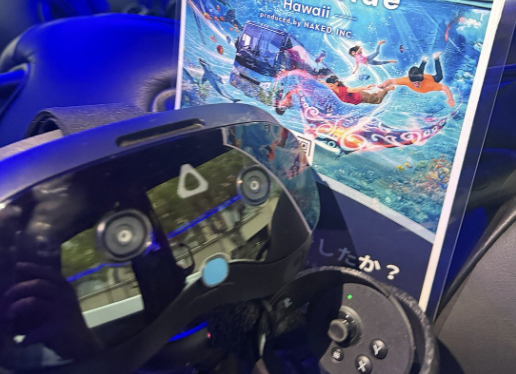
Hawaiian knowledge has long traveled by voice. Moʻolelo, the oral histories and stories of the islands, carry genealogy, place names, environmental wisdom, and spiritual relationships across generations. These narratives are not entertainment alone. They function as living archives of culture, language, and values.
In the digital age, the question of how to transmit moʻolelo without diluting them has grown urgent. Extended reality, or VR, offers one carefully guided path. When cultural consultants remain central to the process, VR can extend oral traditions rather than replace them. XploreRide demonstrates this approach in Waikīkī.
The Living Role of Moʻolelo in Hawaiian Culture
Moʻolelo encompasses more than sequential events. They embed relationships between people, land, ocean, and ancestors. Traditional transmission relied on memorization, chant, hula, and direct instruction from knowledge holders. Accuracy mattered because stories shaped identity and protocol.
Modern pressures, including language shift and the passage of kūpuna, have made documentation essential. Institutions such as the University of Hawaiʻi Center for Oral History collect and share these accounts through interviews and digital platforms. The goal remains continuity: knowledge must stay accessible while remaining under cultural guidance.
Digital tools create new possibilities and new risks. Without oversight, stories can become simplified spectacles. With proper consultation, technology can reach audiences who might never sit with a kumu or attend a traditional gathering.
Why Cultural Consultants Matter in Digital Adaptation
Cultural consultants serve as the bridge between ancestral knowledge and contemporary media. They evaluate content for accuracy, context, and respect. They determine which elements may be shared publicly and which remain protected. They also shape tone, pacing, and language so the final experience aligns with Hawaiian values rather than external assumptions.
In the case of VR experiences, consultants review visual sequences, audio narration, music, and interactive elements. They ensure that digital representations of ʻaumakua, volcanic origins, marine life, and place-based stories follow established protocols. This process prevents misrepresentation and builds trust with both local communities and visitors.
One documented example involves Kumu Hula Blaine Kamalani Kia. As cultural advisor for XploreRide, he contributed compositions drawn from decades of practice, guided scene selection, and helped define the overall theme of Hoʻāla, meaning to awaken or rise in consciousness. His involvement extended to music and narration so that visuals and sound remained coherent with cultural intent.
This level of collaboration is not optional for responsible digital storytelling. It is the mechanism that keeps the work grounded.
How VR Translates Oral Tradition into Shared Experience
VR technology overlays digital content onto the physical world in real time. On a moving vehicle, location data synchronizes visuals with actual landmarks. Riders see the streets of Waikīkī while simultaneously encountering layers of history, mythology, and ecology that are otherwise invisible.
The medium supports several strengths of oral tradition:
- Narrative guidance from a central storyteller figure
- Sensory immersion that mirrors the emotional impact of live performance
- Interactive moments that invite participation rather than passive viewing
- Multilingual delivery that expands access without altering core content
In practice, riders board a climate-controlled electric bus, receive headsets, and follow a continuous loop past Waikīkī Beach, Kapiʻolani Park, and Diamond Head. The experience lasts approximately 30 minutes depending on the specific departure. Ages 7 and older may participate. English and Japanese narration are available.
The story is framed through an Aumakua guide, often presented as Uncle Manu in the form of a manta ray. This figure introduces concepts of mana, the spiritual life force, and invites riders to collect digital Mana Stones that unlock additional layers of narrative. The sequence moves through underwater realms, volcanic formation, and cultural insights while the bus travels real roads.
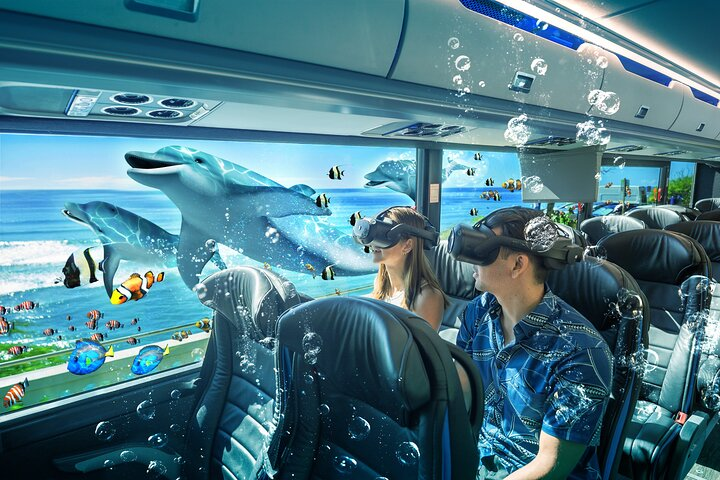
Because the technology is synchronized to vehicle movement, the experience avoids the sensory mismatch that can cause discomfort in other virtual formats. The electric bus itself produces no tailpipe emissions, supporting broader commitments to sustainable tourism.
Comparing Approaches to Sharing Hawaiian Stories
The table below outlines differences among traditional oral transmission, conventional tourism interpretation, and culturally guided VR experiences.
| Aspect | Traditional Oral Transmission | Conventional Tourism Interpretation | Culturally Guided VR Experience |
|---|---|---|---|
| Primary Medium | Voice, chant, hula, direct teaching | Printed materials, audio guides, signs | Location-synced digital overlays and narration |
| Knowledge Authority | Kūpuna and trained practitioners | Often external researchers or operators | Cultural consultants and practitioners |
| Audience Reach | Local and invited participants | Mass tourism audiences | Visitors seeking immersive cultural contact |
| Sensory Engagement | High, interpersonal | Moderate to low | High, multi-sensory and interactive |
| Risk of Dilution | Low when protocol is followed | Higher without specialist oversight | Controlled through continuous consultant review |
| Preservation Potential | Dependent on living knowledge holders | Static records | Scalable digital records under cultural guidance |
This comparison shows that VR does not replace traditional methods. It offers a complementary channel when consultants remain in the decision-making role.
XploreRide as a Working Model
XploreRide applies these principles directly. The experience was developed with input from Hawaiian cultural advisors, including Kumu Hula Blaine Kamalani Kia, to ensure historical and cultural accuracy. The narration draws from authentic moʻolelo and is delivered through the Aumakua framework. A portion of proceeds supports marine conservation efforts, including partnerships related to the Waikīkī Aquarium.
Guests begin and end at the former T Galleria by DFS location on Royal Hawaiian Avenue. The route remains fixed so that RideVision technology can maintain precise synchronization. Seat selection is not offered. Food, large luggage, and pets are not permitted on board. The tour does not allow mid-ride exits because the narrative is continuous.
For visitors who want deeper context before or after the ride, related pages on the XploreRide site explore the Aumakua tradition, the underwater city narrative, and the role of cultural oversight in greater detail. These materials reinforce the same standards of accuracy applied to the live experience.
The result is an activity that functions as both entertainment and education. Riders leave with concrete images of volcanic formation, reef systems, and ancestral guidance that conventional sightseeing rarely provides. Because the content was shaped by practitioners, the stories retain their integrity.
Practical Considerations for Visitors
Anyone planning to experience this form of digital storytelling should note a few operational details. Tickets are purchased in advance through the official site. Prices start in the mid-twenties and may vary by demand. The electric bus maintains a cool interior temperature, offering relief from outdoor heat. Motion sensitivity is minimized by the synchronization of visuals to actual vehicle movement.
The experience suits families, history-focused travelers, and those interested in technology applied to cultural content. It does not replace visits to museums, heiau, or community events. Instead, it serves as an accessible entry point that can encourage further learning.
External resources such as the University of Hawaiʻi Center for Oral History provide additional models of careful digital preservation. Their StoryMaps and interview collections illustrate parallel efforts to document and share knowledge under ethical guidelines.
Frequently Asked Questions
What is the difference between moʻolelo and ordinary stories?
How do cultural consultants influence a VR experience?
Is the XploreRide experience suitable for first-time visitors to Hawaii?
Does VR replace traditional learning?
Are the stories on the ride historically and culturally accurate?
Experience Authentic Digital Storytelling in Waikīkī
Oral history continues because knowledge holders choose to share it. When technology is placed under their guidance, new audiences can encounter those stories with greater fidelity. XploreRide offers one concrete example of this collaboration in action.
Book your place on the next departure and encounter Hawaiian moʻolelo through the lens of VR. Tickets and schedules are available at the official XploreRide Hawaii tour page. Arrive a few minutes early, settle into the cool bus, and let the Aumakua guide open a different view of the same streets you already know.
The stories have always been here. VR, shaped by cultural consultants, simply makes them visible in a new way.