
How the Magic Works: Inside the XR Technology Behind XploreRide Hawaii
Author: XploreRide Editorial Team
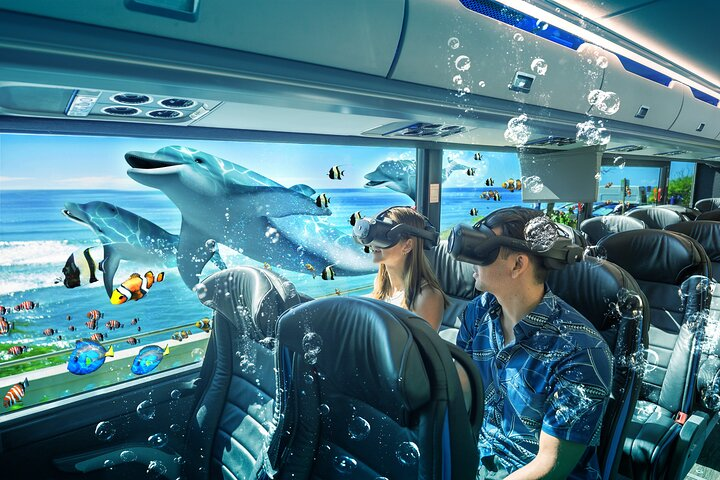
Many guests finish the XploreRide Hawaii experience with the same question: How does it actually work? The bus moves through familiar Waikiki streets, yet the view through the headset shows coral reefs, marine life, and volcanic landscapes that appear perfectly timed with the real world outside. The effect feels seamless rather than artificial.
This post explains the technology and creative process in clear terms. No engineering degree is required. The goal is to help curious travelers, parents, and anyone interested in innovation understand what makes the experience possible and why it feels comfortable for most people.
The Core Idea: Blending Real and Digital in Real Time
XploreRide is a virtual reality (VR) experience. Unlike fully enclosed virtual reality that replaces the outside world, VR keeps you connected to the actual environment while adding digital layers. You still see the real streets, buildings, and landmarks of Waikiki. At the same time, the headset overlays carefully designed digital content that matches the location and movement of the bus.
The system is called RideVision. It was developed by Synesthesias, a technology venture with roots at the University of Tokyo. Creative direction, storytelling, and visual design come from NAKED, INC., a Japanese company known for large-scale immersive productions. The tour is operated by Hawaii HIS as part of the broader XploreRide platform.
Together these partners created a moving experience that synchronizes three elements at once: the physical route of the bus, the motion of the vehicle, and the digital content displayed in each headset.
How the Synchronization Works
The key technical challenge is keeping the digital world aligned with the real world while the bus is moving. If the visuals lag or drift, the experience can feel disconnected or uncomfortable.
RideVision solves this by continuously combining data from the vehicle and from the headset:
- Sensors on the bus track speed, direction, acceleration, and turning.
- The headset tracks the position and movement of the wearer’s head.
- The system integrates both streams in real time so that the digital overlays move exactly as the bus moves.
When the bus turns, the digital environment turns with it. When the bus slows or stops, the virtual elements respond accordingly. This alignment reduces the sensory mismatch that often causes discomfort in traditional virtual reality experiences.
The content is also location-aware. As the bus passes specific points along the Waikiki route—near the beach, Kapiolani Park, or the Diamond Head area—the corresponding digital scenes appear. The result is a narrative that feels tied to the actual place rather than floating independently of it.
The Creative Side: Story and Design
Technology alone does not create a memorable experience. The visual and narrative design is equally important.
NAKED, INC. developed the underwater city theme, the character of the Aumakua guide, the Mana Stone interactions, and the overall sequence of scenes. Hawaiian cultural advisors contributed to the authenticity of the storytelling so that the digital layers respect local perspectives rather than simply decorating the view.
Guests collect digital Mana Stones during the ride. These interactive elements encourage light participation without requiring complex controls. The combination of guided narrative, visual spectacle, and simple interaction keeps the experience engaging for a wide range of ages.
The headsets themselves are designed for comfort during a moving ride. Staff assist with fitting at the start so that the display sits correctly and the audio is clear. The experience is available in English and Japanese.
Why Motion Comfort Matters
One of the most common concerns about headset-based experiences is motion sickness. RideVision was specifically engineered to address this issue in a moving vehicle.
By keeping the digital motion tightly matched to the physical motion of the bus, the system reduces the conflict between what the eyes see and what the inner ear feels. Most guests report little or no discomfort. Those who are particularly sensitive can remove the headset at any time and simply enjoy the real-world view through the windows.
The relatively short duration of the experience—approximately 30 minutes including boarding—also helps. Guests are not asked to wear the headset for an extended period.
The Vehicle and the Route
The experience takes place on a zero-emission electric bus. The quiet operation and smooth ride quality support the immersive content. The climate-controlled interior provides a consistent environment regardless of outdoor temperature or brief rain.
The route forms a loop through central Waikiki, passing recognizable landmarks before returning to the starting point at the former T Galleria by DFS on Royal Hawaiian Avenue. Because the digital content is mapped to this specific path, every departure follows the same carefully timed sequence.
Current schedules and booking options are listed on the Hawaii Underwater Adventure page.
What Guests Actually Experience
From the moment the headset is adjusted, the real view of Waikiki begins to incorporate digital layers. An Aumakua spirit appears as a guide. Coral environments, marine life, and volcanic imagery unfold in coordination with the bus’s progress. The Mana Stone collection adds a light game-like element that works for both children and adults.
After the ride, guests can access photos created through the official avatar feature, which places a personalized digital version of the participant into the virtual scenes. These images are available for download and sharing.
The entire process is designed to feel accessible. No prior technical knowledge or gaming experience is required.
Who the Technology Serves
The system works for a broad audience:
- First-time visitors who want cultural context delivered in an engaging format
- Families looking for an activity that holds attention across age groups
- Tech-curious travelers interested in seeing VR applied outside a traditional headset demo
- Guests who prefer a seated, climate-controlled experience
The minimum age is 7, primarily to ensure proper headset fit and safety. More details on participation guidelines appear on the official XploreRide site and the Hawaii tour page.
Frequently Asked Questions
1. What is RideVision?
2. Will I get motion sickness?
3. Do I need to understand the technology to enjoy the ride?
4. How is this different from regular virtual reality?
5. Who created the visuals and story?
6. Where can I experience it?
Understanding the Experience Before You Ride
Knowing how the technology works can increase appreciation without reducing the sense of wonder. The combination of precise motion synchronization, location-aware content, thoughtful creative design, and a comfortable vehicle produces an experience that feels both innovative and approachable.
XploreRide Hawaii demonstrates one practical way that extended reality can enhance tourism: by adding layers of story and visual interest to real places without removing guests from those places.
If you are curious to see the result for yourself, check the current departure times and reserve a seat. The best way to understand the technology is to experience it in motion through the streets of Waikiki.
Book your ride on the Hawaii Underwater Adventure page and discover how the real and the digital come together.