
Sneaky Education: How to Teach Your Kids Hawaiian History (Without Them Knowing)
Author: XploreRide Editorial Team
Every parent planning a Hawaii vacation knows the classic “Vacation Dilemma.” You dream of your children gaining meaningful insights into the islands’ rich Polynesian heritage, royal legacy, dramatic geological origins, and delicate marine ecosystems. You want them to appreciate more than just beach days and hotel pools. Yet, the second you mention “museum,” “history lesson,” or “cultural center,” the eye rolls and complaints begin. For a 10-year-old on summer break, anything sounding like school is the ultimate buzzkill.
The good news? You don’t have to choose between fun and learning. By getting a little sneaky and speaking your kids’ language—turning education into interactive play and immersive adventures—you can spark genuine curiosity about Hawaiian history that lasts long after the trip ends. This guide explores proven strategies, highlights XploreRide as a premier example, dives deep into key historical topics, compares methods, and equips you with practical tools for a truly enriching family vacation.
The Importance of Teaching Hawaiian History to Children
Hawaiian history is far more than dates and facts—it’s a living story of human ingenuity, resilience in the face of change, deep environmental connection, and cultural vibrancy that continues today. Introducing these concepts early helps children develop respect for diverse cultures, understand environmental stewardship, and build empathy.
Key Chapters in Hawaiian History Every Kid Should Know
- The Voyaging Era and Polynesian Settlement Around 300–900 AD (with ongoing scholarly discussion), masterful Polynesian navigators crossed over 2,000 miles of open ocean in double-hulled canoes. They relied on stars, ocean swells, winds, birds, and traditional knowledge—no compasses or GPS. They brought taro, sweet potatoes, coconuts, pigs, and dogs, establishing thriving communities. Kids love stories of these epic journeys; they highlight courage, skill, and the spirit of exploration.
- The Rise of the Kingdom In the late 18th and early 19th centuries, Kamehameha the Great unified the islands through strategy, alliances, and warfare. He became the first monarch of the Kingdom of Hawaii. Subsequent rulers like Kamehameha III navigated international relations, while Queen Liliʻuokalani, the last reigning monarch, composed beautiful music and advocated for her people. Stories of aliʻi (chiefs), kapu (sacred rules), and ahupuaʻa (land management systems) teach governance, sustainability, and leadership.
- Volcanic Birth and Natural Forces The Hawaiian Islands are among the most dramatic examples of volcanic hotspot geology on Earth. Formed over millions of years, they continue to grow. Legends of Pelehonuamea (Pele) explain eruptions as expressions of the goddess’s power and emotions. Seeing (or virtually experiencing) lava flows helps kids grasp plate tectonics, island formation, and why Hawaii has unique biodiversity.
- Modern History and Cultural Resilience From Captain Cook’s arrival in 1778, through the overthrow of the monarchy, Pearl Harbor, statehood in 1959, and the Hawaiian Renaissance, the story is one of adaptation and revival. Today, efforts to revitalize ʻōlelo Hawaiʻi (Hawaiian language), hula, and traditional practices empower new generations.
Teaching these topics experientially rather than didactically fosters pride in place, curiosity about science and culture, and a sense of global citizenship.
Why Traditional Methods Often Fall Short—and How to Do Better
Static plaques, lengthy tours, or textbook-style explanations frequently lead to disengagement. Kids’ brains crave novelty, movement, visuals, and agency. Experiential and gamified learning activates multiple senses, improves retention, and builds emotional connections. Research on cultural education shows that youth grounded in heritage often demonstrate better academic performance, stronger identity, and improved well-being.
Sneaky strategies include storytelling (moʻolelo), hands-on activities, games, music, and technology. XploreRide exemplifies the high-tech end of this spectrum.
XploreRide: Honolulu’s Premier Edutainment Experience
XploreRide stands as Honolulu’s first dedicated “edutainment” attraction—a seamless blend of education and entertainment delivered in a futuristic bus resembling a spaceship. Using advanced VR/AR headsets and RideVision technology synchronized to the actual route, it overlays dynamic historical and scientific narratives onto real-world views of Waikiki and beyond.
The 25-minute journey transforms routine sightseeing into an unforgettable adventure while covering core Hawaiian history topics.
Lesson 1: Marine Biology and Ocean Stewardship (Underwater Segment)
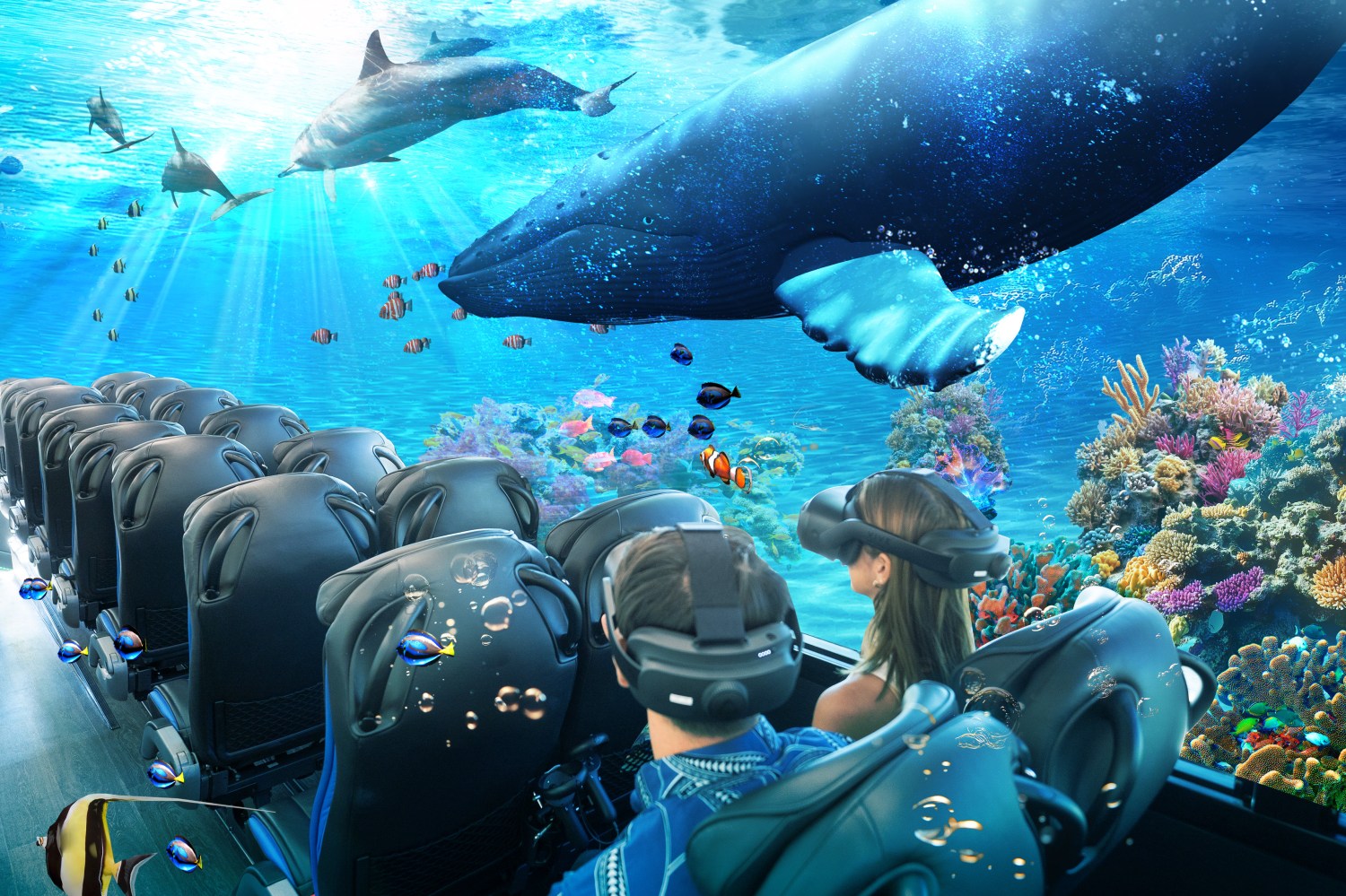
Traditional approach: Reading informational signs at beaches or visitor centers.
XploreRide approach: The bus virtually dives. Through headsets, children watch vibrant coral reefs, colorful fish, sea turtles, and Hawaii’s state fish—the tongue-twisting Humuhumunukunukuāpuaʻa—swim across the scenery outside their windows.
Deeper learning outcomes: Kids gain intuitive understanding of reef ecosystems, native vs. invasive species, pollution impacts, and the importance of mālama ʻāina (caring for the land and sea). This visual, contextual learning sticks far better than rote memorization and inspires real-world conservation actions back home.
Lesson 2: Geology and Volcanic Power (Volcano Segment)
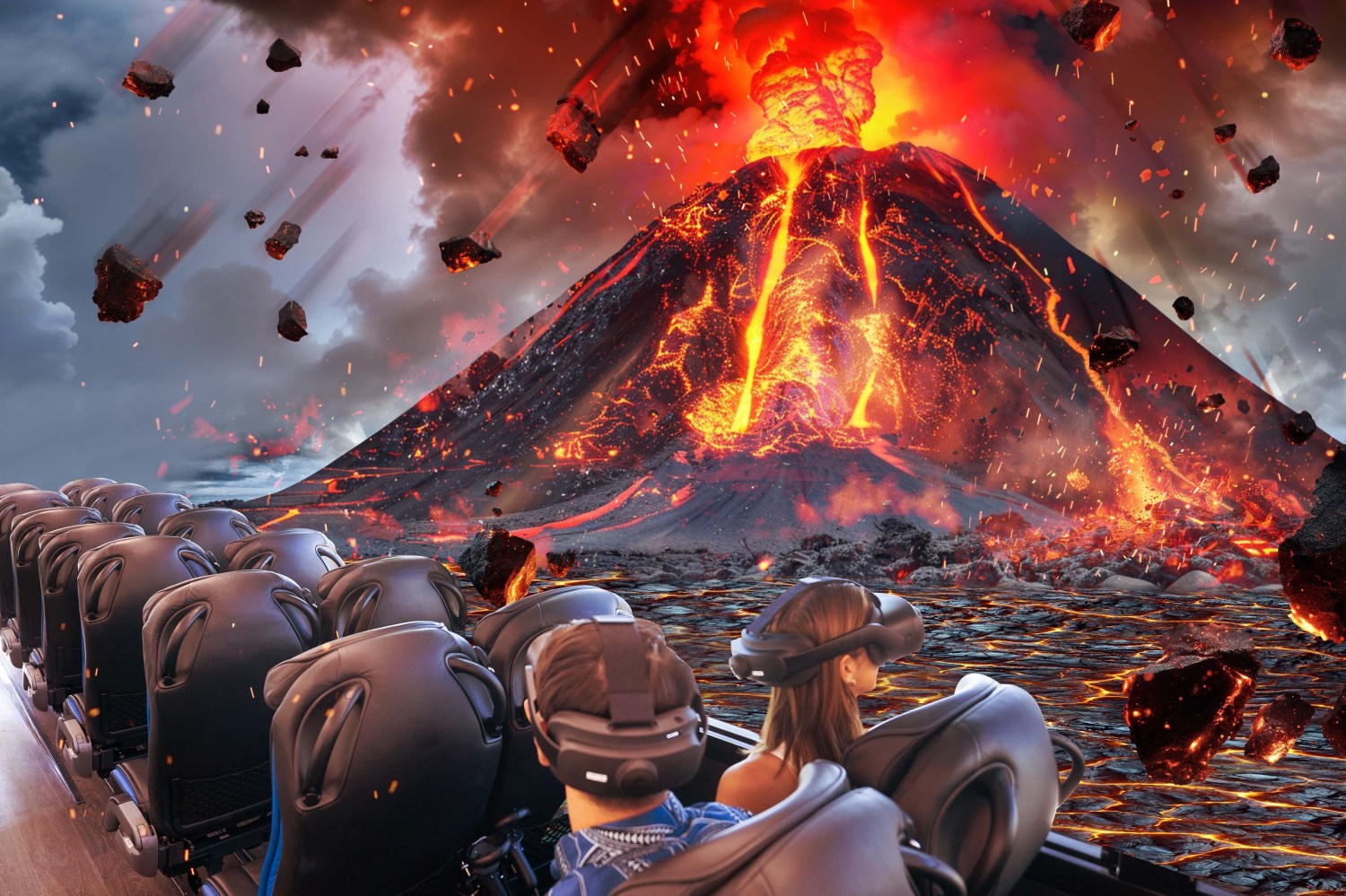
Traditional approach: Examining 2D diagrams or static models.
XploreRide approach: VR headsets transport riders to the fiery birth of the islands. They witness eruptions, feel haptic rumbles in their seats, and watch lava create new land from the ocean floor.
Deeper learning outcomes: Children internalize concepts of plate tectonics, hotspot volcanism, and island evolution. They connect mythology (Pele) with science, understanding why Hawaii’s landscapes are so unique and dynamic.
Lesson 3: The Birth of Paradise – Fire, Ice, and Living History (Fire & Ice Segment)
Traditional approach: Standing at a dormant crater like Diamond Head (Leʻahi) and trying to imagine its violent past.
XploreRide approach: As the bus travels the 10.3 km route, RideVision technology brings the landscape alive. Digital eruptions, flowing magma, and geological transformations sync perfectly with real landmarks, showing the Honolulu Volcanics stage in stunning 3D.
Deeper learning outcomes: Kids develop spatial and temporal understanding of how the modern Waikiki they see formed. It seamlessly weaves in stories of ancient Hawaiians who witnessed and adapted to these powerful forces, linking geology to culture and survival.
Turning Passive Viewing into Active Mastery
Beyond impressive visuals, XploreRide incorporates hands-on interaction. Children collect “Mana Stones” by gesturing in the air at key educational moments. This mechanic demands focus on the unfolding narrative—whether it’s a voyaging canoe, royal procession, or ecosystem detail.
The result? Active learning. Kids stay engaged because they’re playing, not just watching. Parents often share stories of children excitedly recounting facts about volcanoes or Hawaiian kings days later, unaware they were “in school.” This approach mirrors successful educational games and aligns with how children naturally learn through play.
Real Parent and Traveler Testimonials
Authentic voices confirm the impact:
“Great time (Even when it’s raining outside)” ⭐⭐⭐⭐⭐
“It was an amazing experience and love to do it again. If you’re looking for something fun to do with the family or do something when it is raining, this is the one thing the whole family can do and enjoy. If you get a chance while visiting the island, I highly recommend this and it’s something you’ll never forget.” — James M. (TripAdvisor)
“Do It!! Best 30 minutes you will spend.” ⭐⭐⭐⭐⭐
“Absolute must do in Waikiki. Informative yet fun. It was the best 30 minutes of doing anything in Waikiki that I have done.” — frozentravler (TripAdvisor)
Many families note the perfect mix of thrill and substance, making it a highlight of their Oahu vacation.
Traditional Sightseeing vs. Modern Edutainment: Detailed Comparison
| Aspect | Traditional Sightseeing | XploreRide Edutainment | Winner for Families |
|---|---|---|---|
| Engagement | Often passive; short attention spans challenged | Interactive VR + gamification | XploreRide |
| Knowledge Retention | Facts may fade quickly | Multi-sensory, emotional connections | XploreRide |
| Coverage of Hawaiian History | Fragmented, abstract | Integrated, contextual, visual | XploreRide |
| Suitability for Ages | Varies; can bore younger kids | 7+ with broad appeal including teens | XploreRide |
| Time Efficiency | Can require full days | Compact 25 minutes | XploreRide |
| Emotional Impact | Variable | High – fun, memorable, shareable | XploreRide |
| Accessibility | Physical demands, weather dependent | Comfortable bus, language options (English/Japanese) | XploreRide |
This comparison shows why technology-enhanced experiences often deliver superior outcomes for vacation learning.
Building a Comprehensive “Smart Vacation” Learning Itinerary
Maximize impact by combining XploreRide with complementary activities:
- Bishop Museum: Interactive volcano exhibits, lava demonstrations, and vast cultural collections.
- Pearl Harbor Aviation Museum: Flight simulators that make historical events tangible.
- Iolani Palace: Tour the actual royal residence to connect stories to physical spaces.
- Additional Engaging Options: Polynesian Cultural Center performances, beach clean-ups for stewardship, hula lessons, moʻolelo storytelling sessions, or stargazing tied to traditional navigation.
Parent Tips: Prepare with short videos or stories beforehand. Debrief afterward by asking kids to retell what they “discovered.” Encourage drawing or journaling about their favorite moments.
Frequently Asked Questions
- Is this suitable for young children?
Yes—designed to be family-friendly. Exciting elements are age-appropriate; recommend 7+ for optimal headset use, but all ages enjoy the experience. - Can groups book private experiences?
Yes. Ideal for schools, scout troops, and family reunions. Inquire via the website for customized educational charters. - Language support?
English and Japanese narration available, supporting diverse visitors and language exposure. - Teen appeal?
Strong. High-quality VR and gaming elements resonate with digital natives while introducing sophisticated historical content. - Preparation advice?
Minimal. Curiosity is the only prerequisite. Post-tour, explore related books, apps, or local events to deepen learning. - Safety and comfort?
Modern bus with safety protocols. Staff ensure comfortable, inclusive experiences. - How does it support broader cultural education?
By respecting and accurately portraying Hawaiian perspectives, it encourages ongoing respect and further exploration.
Create Memories That Educate and Inspire
Sneaky education transforms vacations from simple getaways into profound family bonding and growth opportunities. XploreRide offers a standout, high-tech gateway into Hawaiian history, but the principles—immersion, interaction, storytelling, and play—apply to many experiences across the islands.
By choosing engaging methods, you help your children develop appreciation for one of the world’s most unique places while creating stories they’ll retell for years.
Seats for XploreRide fill fast. Book your family adventure today and give your kids a “history lesson” they’ll actually love and remember.
Visit XploreRide.com to reserve your seats and start planning your smart vacation.