
Beyond the Luau: 5 Authentic Ways to Experience Hawaiian History
Author: XploreRide Editorial Team
The History of the Luau: From Tradition to Tourism
Understanding the luau’s roots makes “beyond the luau” choices more meaningful. In ancient Hawaii, large feasts were called ʻahaʻaina or pāʻina. Strict kapu (sacred laws) separated men and women at meals and restricted certain foods. In 1819, King Kamehameha II broke these taboos by eating publicly with women, marking the ʻAi Noa (free eating) era and laying the foundation for modern luaus. The term “luau” itself refers to taro leaves (kalo) cooked with coconut milk and meat, a staple at these gatherings.
Over time, especially with tourism growth in the 20th century, luaus evolved into commercial spectacles. Today, many blend Hawaiian, Tahitian, Samoan, and other Polynesian elements for broad appeal. While fun, they may not delve into deeper history, monarchy, navigation, or sovereignty themes. Authentic alternatives let you explore these layers directly.
Real Deal Comparison: Commercial vs. Authentic Experiences
Here’s how popular tourist options stack up against deeper, often more affordable or free alternatives (estimated costs per person, 2026):
| Commercial Way | Authentic Alternative | Est. Cost (Comm. vs. Auth.) | Vibe |
|---|---|---|---|
| Hotel Luau | Waiahole Poi Factory | ~$175–$250 vs. ~$20 | Taste real kalo & poi |
| Standard City Tour | XploreRide XR Bus | ~$60 vs. ~$68 | Visual history overlay |
| Street Tiki Photo | Iolani Palace | Free vs. ~$35–$45 | Royal grandeur & resilience |
| Mall Hula Show | Bishop Museum | Free vs. ~$39 | Artifacts, myths, wayfinding |
| Souvenir Shop | Ulupō Heiau | $50+ vs. Free | Sacred silence & mana |
These swaps often deliver richer context and support local stewards of culture.
1. The “Time Machine”: XploreRide XR Bus
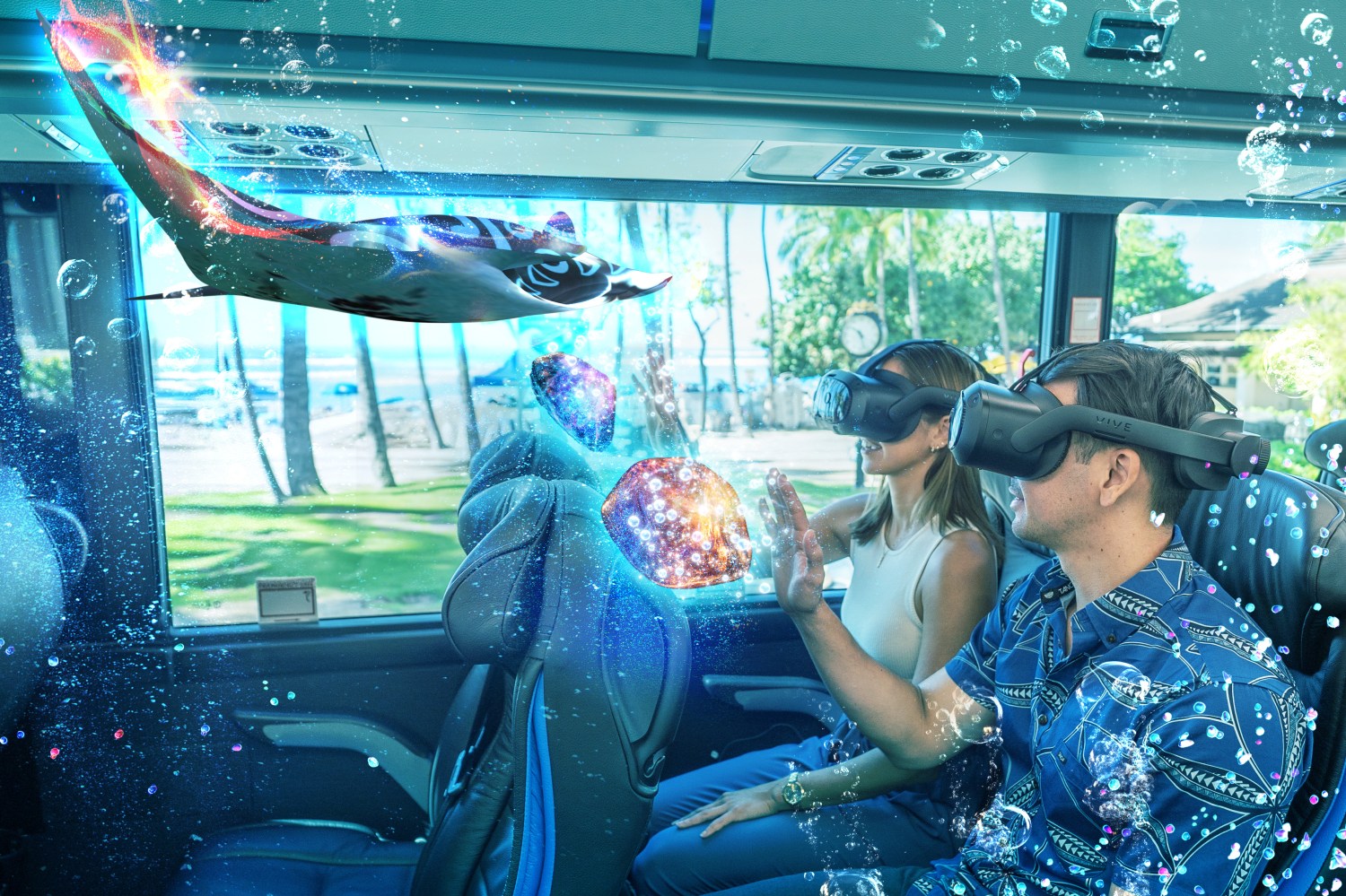
Standing in modern Waikiki amid luxury stores makes it hard to picture ancient Hawaii. XploreRide XR Bus bridges that gap with immersive cross-reality technology. Transparent screens and AR overlays visualize the islands’ geological formation, volcanic past, and pre-development landscapes as you drive real routes.
You’ll see Waikiki as it once was while learning accurate history vetted by cultural advisors—no sugarcoating the land’s changes or the Kingdom’s story. It’s fully air-conditioned, ideal for visual learners, families, or anyone avoiding Oahu’s heat and crowds. No hiking required.
Why it’s authentic: Focuses on geological and cultural truth rather than pure entertainment.
Best for: History buffs, families, first-timers wanting an accessible overview.
Book Your Historical Journey: Check availability directly through XploreRide for 2026 tours.
2. The Royal Residence: Iolani Palace
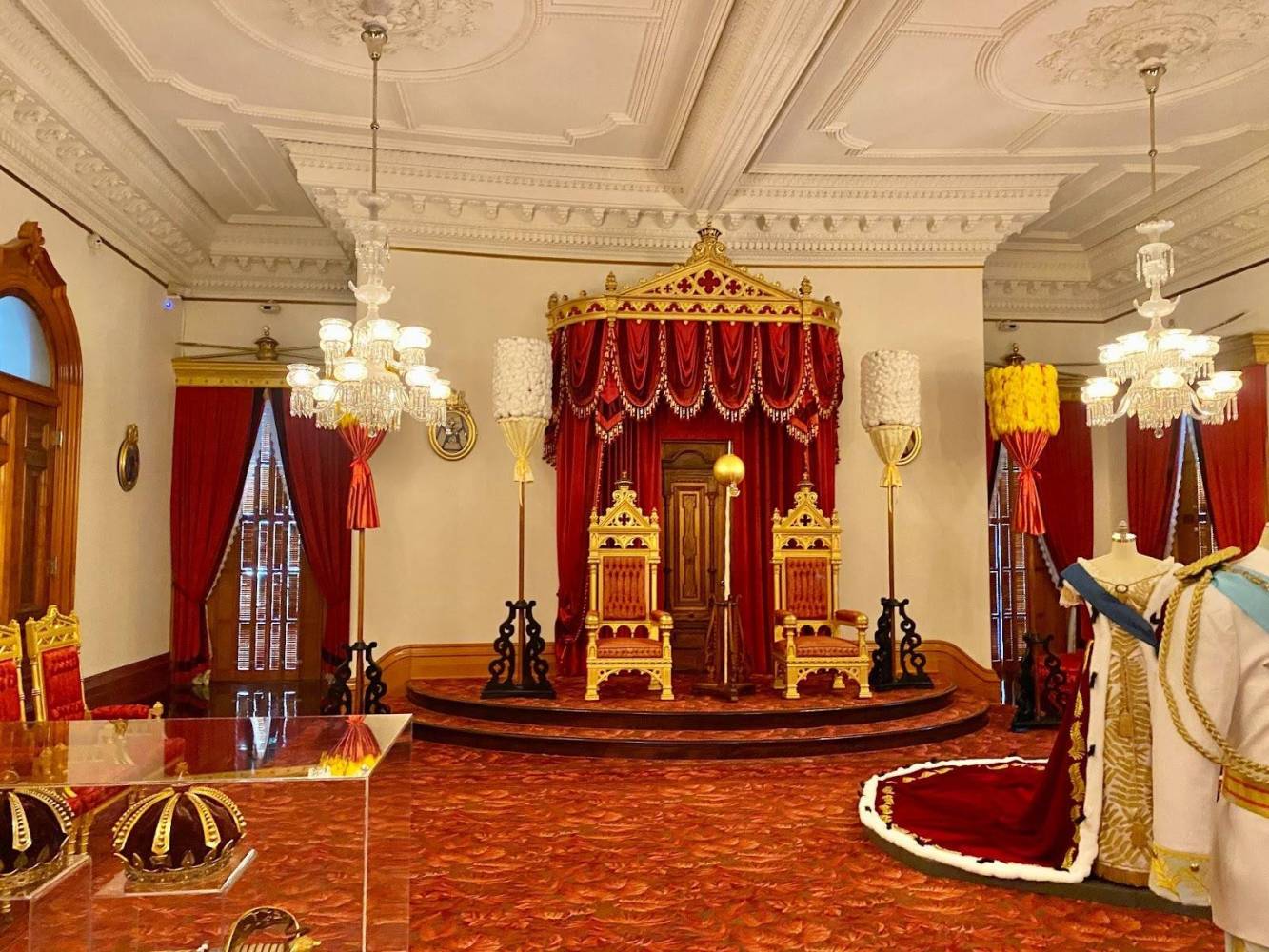
A non-negotiable stop for anyone seeking Hawaiian history beyond the luau. Iolani Palace is the only official royal residence on U.S. soil. Built in 1882 by King Kalākaua, it served as the seat of the Hawaiian Kingdom. After the 1893 overthrow, Queen Liliʻuokalani was imprisoned here, sewing a poignant quilt during house arrest.
Highlights include the Throne Room, royal regalia, and evidence of advanced technology (electricity and phones before the White House). Docent-led tours offer the best storytelling; audio tours suit self-paced visitors. Tickets often sell out 2–3 weeks ahead—book early. Respectful attire required (no swimwear).
3. The Sacred Site: Ulupō Heiau
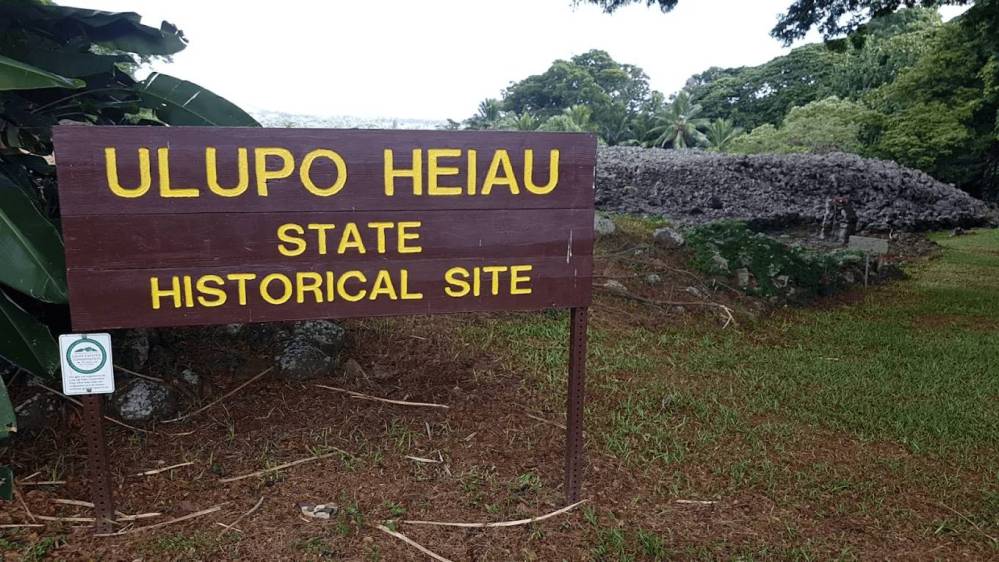
Feel Hawaii’s spiritual power (mana) without a ticket at Ulupō Heiau in Kailua. This ancient stone temple, over 400 years old, once anchored agriculture on the windward side with massive walls (up to 30 ft high, 140 ft long). Community efforts have restored nearby loʻi kalo (taro patches).
It’s free, quiet, and majestic—located behind the Kailua YMCA (1200 Kailua Rd).
Etiquette: Stay on paths, speak softly, do not climb walls or move rocks. Enter with respect.
4. The “Smithsonian of the Pacific”: Bishop Museum
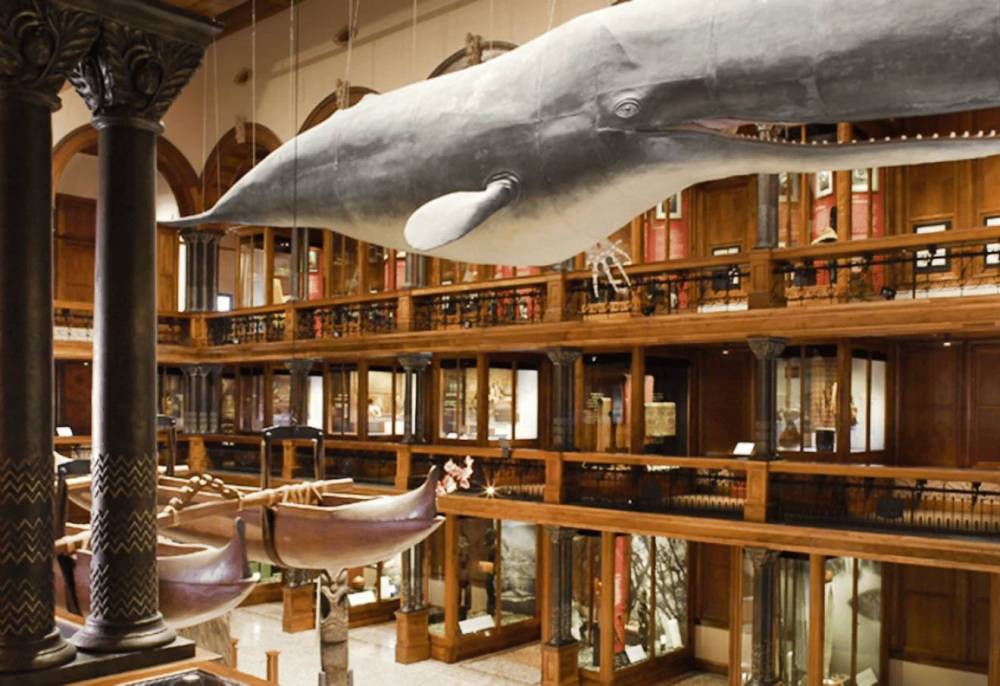
For myths, gods, navigation, and artifacts, visit the Bishop Museum. Founded in 1889, it holds the world’s largest Polynesian collection. The Hawaiian Hall, built with koa wood, features a massive sperm whale skeleton and stunning royal ahu ʻula (feather capes) made from thousands of tiny feathers.
Don’t miss the “Wayfinding” planetarium show on star navigation and ocean swells—how Hawaiians voyaged thousands of miles without modern tools. Shop Pacifica offers quality books and gifts.
Must-see: Feather cloaks and daily cultural demonstrations.
5. Taste the History: Waiahole Poi Factory
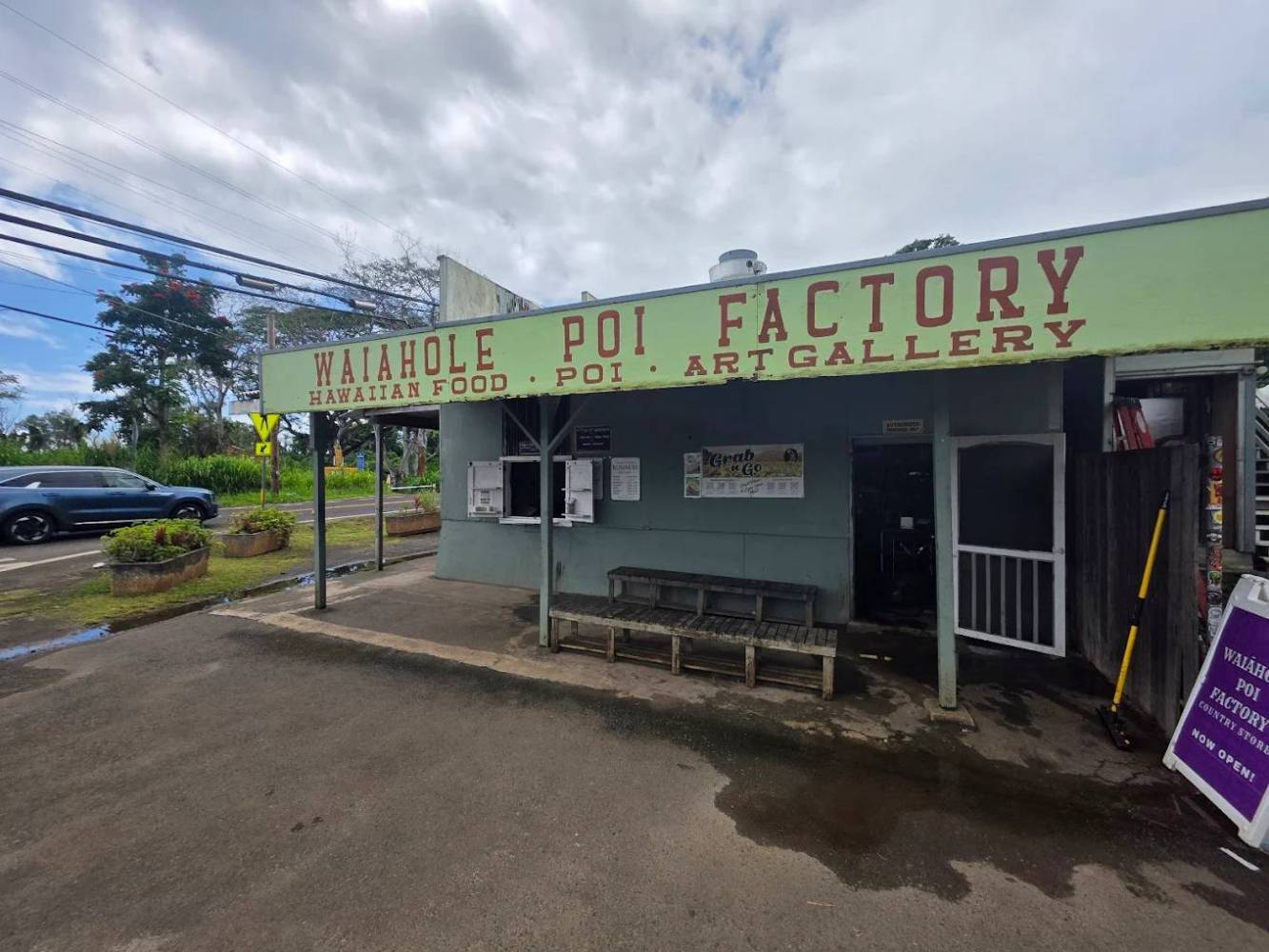
Skip commercial buffets. Drive to the windward side for Waiahole Poi Factory, operating over 100 years as a true poi factory. Order combo plates with squid luau (taro leaves), kalua pig, and fresh poi—eaten with salty pork, not alone. Finish with the Sweet Lady of Waiahole dessert.
This is how generations ate—rustic, flavorful, and tied directly to kalo (taro), a sacred crop.
What Our Clients & Visitors Say (Social Proof)
- “Awesome excursion. Very imaginative. Would definitely recommend it.” – Maria O. (TripAdvisor)
- “Took my 88 year old mother for her birthday. It was her first experience with VR and she thoroughly enjoyed it. I loved hearing her ooh and aah over the images she was seeing during the ride especially her laughter when she had to grab the mana stones flying towards us.” – Eva C.(TripAdvisor)
- “The overall experience was fun. I can say I wasn’t expecting the excursion to be virtual, however, we had a great experience. All I can add is to try it for yourself. If you have little ones they will definitely enjoy themselves.” – Sparkle W. (TripAdvisor)
These experiences consistently earn praise for depth, respect, and memorability.
Additional High-Value Experiences & Tips for 2026
Expand your trip with related sites like the Hawaiian Missions Houses or other heiau. Consider workshops in lei-making or lauhala weaving for hands-on learning. For broader Polynesian context with strong educational elements, some visitors pair these with thoughtfully produced shows, but prioritize the sites above for unfiltered history.
When planning transportation or additional cultural tours, LeaLea Tours offers complementary Oahu experiences focused on heritage. For example, after an XploreRide tour, their options can deepen exploration.
Cultural Etiquette: Do’s and Don’ts for Respectful Visitors
Showing respect enhances your experience and honors hosts:
Do:
- Remove shoes before entering homes or certain spaces.
- Ask permission before photographing people or ceremonies.
- Learn basic phrases: Mahalo (thank you), ʻOno (delicious), Mauka/Makai (directions).
Don’t:
- Move or stack rocks (they hold mana).
- Refer to Hawaii as “in the States” (say “on the Mainland”).
- Touch wildlife like honu (turtles) or monk seals.
- Leave offerings at sites unless a practitioner.
Expanded History & Culture FAQ
- Is it disrespectful to visit a heiau?
No—visitors are welcome if respectful. Stay on paths, speak softly, don’t climb or leave items. Observation itself honors the site. - Hula Kahiko vs. Hula ʻAuana?
Kahiko is ancient, ceremonial (chanting/drums, serious). ʻAuana is modern, graceful (ukulele/guitar). See both at events like the Prince Lot Hula Festival. - Visiting Iolani Palace with kids?
Under 5s limited on docent tours; audio tours more flexible with carriers. XploreRide or Bishop Museum offer better flexibility for young children. - Why fly the Hawaiian flag upside down?
A symbol of distress and protest over the 1893 overthrow, tied to sovereignty discussions. - Do I need Hawaiian language skills?
No—English is universal—but basics are appreciated and show respect.
Transform Your Vacation into a Journey
Swapping one resort day for these authentic Hawaiian history experiences honors the host culture and creates lasting memories. You’ll gain appreciation for the navigators, monarchs, and kalo that define Hawaii far beyond commercial shows.
See Waikiki’s history come alive. Book immersive options like XploreRide and support stewards preserving these traditions.
Ready to plan? Explore more from our partners in Hawaii culture and tourism.