
How to Travel Sustainably in Hawaii: The Rise of “Green” Tours
Author: XploreRide Editorial Team
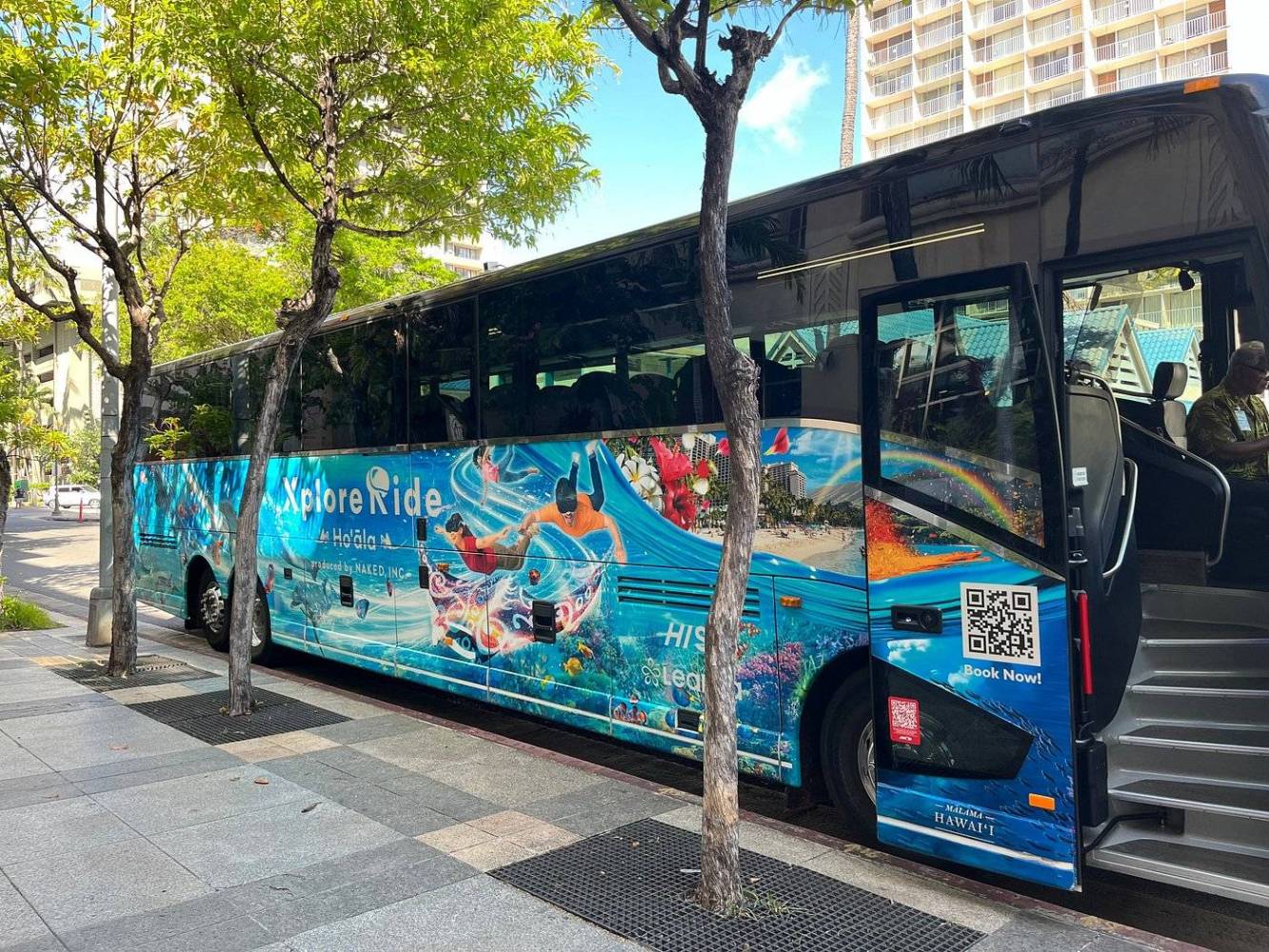
Hawaii is more than a stunning vacation destination—it’s a fragile, unique ecosystem facing real pressures from tourism and climate change. In 2026, the concept of Mālama Hawaii (“to care for Hawaii”) has become a core expectation for visitors. Travelers searching for how to travel sustainably in Hawaii, green tours, and Hawaiian tours want experiences that minimize harm while maximizing connection to the islands’ culture and nature.
Sustainable travel in Hawaii doesn’t require sacrificing comfort. It involves smart, small choices that reduce your carbon footprint, support local communities, and help preserve paradise for future generations. This comprehensive guide covers practical tips for Oahu (with broader Hawaii applicability), the rise of green tours like zero-emission options, hotel incentives, real traveler insights, and authoritative details on laws and best practices.
Hawaii’s New Green Fee (Climate Impact Fee)
New in 2026, visitors will see a Climate Impact Fee (often called the Green Fee) added to hotel bills via an increase in the Transient Accommodations Tax (TAT). This dedicated revenue—projected to generate around $100 million annually—funds reef restoration, climate resilience, environmental conservation, and sustainable tourism initiatives without burdening local residents.
Think of it as your direct contribution to keeping Hawaii green. It underscores why choosing low-impact options like green tours matters more than ever.
The Green Impact Checklist: Simple Swaps for Big Results
Small changes create meaningful impact in Hawaii’s isolated ecosystem.
| The “Old” Way | The Sustainable Swap | Impact |
|---|---|---|
| Diesel Trolleys | XploreRide EV or similar green tours | Zero tailpipe emissions |
| Plastic Bottles | Reusable HydroFlask + tap water | Zero single-use plastic waste |
| Chemical Sunscreen | Mineral Zinc (e.g., Little Hands Hawaii) | Protects coral reefs |
| Imported Food | Local farm-to-table dining | Supports farmers, cuts shipping emissions |
| Generic Souvenirs | Made-in-Hawaii art & crafts | Preserves culture & local economy |
1. Choose Zero-Emission Transport: The Rise of Green Tours in Hawaii
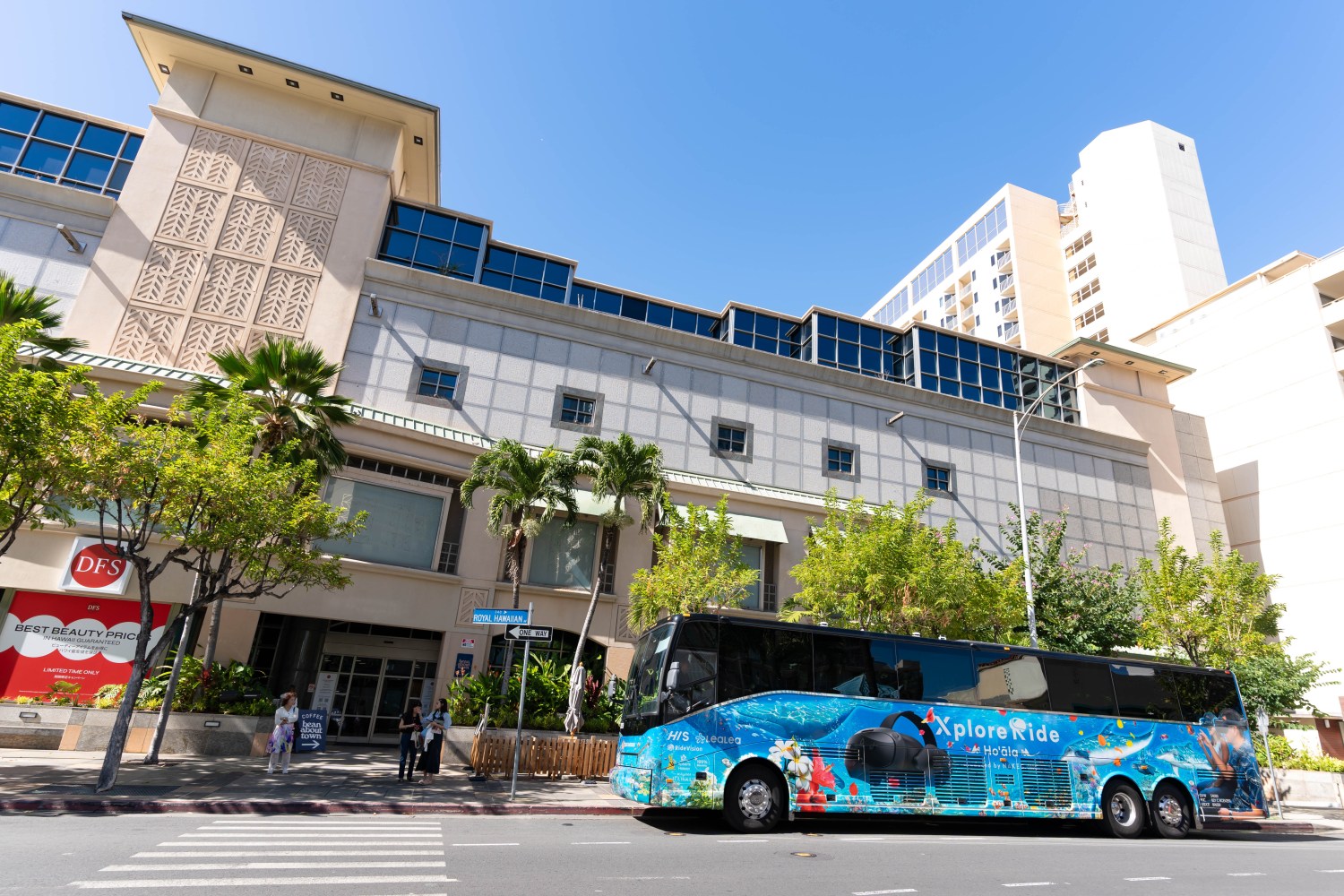
Transportation accounts for a major share of tourism’s carbon emissions. Traditional diesel tour buses have long contributed to air pollution in areas like Waikiki. The shift to green tours and electric vehicles is transforming Hawaiian tours.
XploreRide stands out as a pioneering fully electric, zero-emission sightseeing experience on Oahu. Riders enjoy a premium, quieter, smoother ride with immersive XR (extended reality) elements that bring Hawaii’s underwater worlds and legends to life—without the pollution. It’s an excellent example of innovative green tours that align comfort with sustainability.
Key Stat: Conventional tour buses emit significant CO2 weekly. Electric alternatives like XploreRide produce zero tailpipe emissions.
Bonus Tips:
- Rent EVs via Turo (Teslas are popular).
- Many hotels (e.g., Sheraton Waikiki) offer Level 2 charging.
- Look for certified eco-tour operators through the Sustainable Tourism Association of Hawaii for broader options like farm tours or nature hikes.
Booking a zero-emission tour is one of the easiest ways to make your Hawaii travel more sustainable.
2. Follow Hawaii’s Strict Sunscreen Law to Protect Reefs
Hawaii bans chemical sunscreens containing Oxybenzone, Octinoxate, and Avobenzone because they harm coral reefs and marine life. Many “Reef Safe” labels are greenwashing—always check ingredients and opt for mineral-based formulas with non-nano Zinc Oxide as the active ingredient.
Recommended: Little Hands Hawaii—plastic-free, organic, and locally made. Buy it on-island at ABC Stores or Whole Foods in Kaka’ako to support local businesses rather than packing it.
This rule is a cornerstone of sustainable Hawaii travel and directly supports reef health, a major draw for visitors.
3. Eat Mauka to Makai (Farm-to-Table) to Reduce Food Miles
Hawaii imports roughly 85% of its food, creating a heavy carbon footprint from shipping. Prioritizing local sourcing is one of the most impactful choices for sustainable travel in Hawaii.
Top Recommendations:
- Moku Kitchen (Kaka’ako): Chef Peter Merriman’s regional cuisine shines with dishes like locally grown pumpkin ravioli.
- Koko Head Cafe: Features local eggs, vegetables, and creative breakfasts like Bibimbap.
- KCC Farmers Market (Saturdays, 7:30 AM–11 AM): Fresh apple bananas, papaya, and more.
Supporting these reduces emissions and bolsters Hawaii’s agricultural economy.
4. Respect Wildlife: Distance and Ethics Matter
Encountering Hawaiian Monk Seals or Green Sea Turtles (Honu) is magical, but harassment is a serious federal and state offense. Stay at least 10 feet from turtles and 50 feet (or more for mothers with pups) from Monk Seals. If the animal changes behavior, you’re too close—use your phone’s zoom instead.
Violations can lead to significant penalties (detailed below). Ethical wildlife viewing is essential for responsible Hawaiian tours.
5. Participate in Mālama Activities: Give Back and Get Rewards
Volunteering is a highlight for many visitors and families. Options include:
- Tree Planting at Gunstock Ranch: Plant a native Milo tree and track its growth via GPS.
- Beach Cleanups with Sustainable Coastlines Hawaii: Often include music and community vibes.
These activities embody Aloha ʻĀina (love of the land) and directly contribute to conservation.
The Mālama Deal Finder: Sustainable Choices That Save Money
Many hotels reward eco-conscious guests:
- Sheraton Waikiki & Royal Hawaiian: Mālama Package + Gunstock Ranch volunteering = 5th Night Free.
- Outrigger Resorts: Beach cleanup = 3rd Night Free.
- Hyatt Regency Waikiki: Beach cleanup = 4th Night Free.
Book directly on hotel sites with promo code “MALAMA”. Always verify current offers.
What Our Clients Say: Real Traveler Testimonials for XploreRide Green Tours
Social proof builds trust—here’s what visitors say about immersive, low-impact experiences:
⭐⭐⭐⭐⭐ “Awesome excursion. Very imaginative. Would definitely recommend it.” — Maria O. (TripAdvisor)
⭐⭐⭐⭐⭐ “Took my 88 year old mother for her birthday. It was her first experience with VR and she thoroughly enjoyed it. I loved hearing her ooh and aah over the images she was seeing during the ride especially her laughter when she had to grab the mana stones flying towards us.” — Eva C. (TripAdvisor)
⭐⭐⭐⭐⭐ “The overall experience was fun. I can say I wasn’t expecting the excursion to be virtual, however, we had a great experience. All I can add is to try it for yourself. If you have little ones they will definitely enjoy themselves.” — Sparkle W. (TripAdvisor)
These reviews highlight how green tours deliver fun, education, and sustainability.
What Happens If You Don’t Follow the Rules?
Ignoring sustainable practices can have real consequences:
- Wildlife Harassment: Fines up to $50,000+ and potential jail time under the Endangered Species Act and Marine Mammal Protection Act. Recent cases include arrests and settlements for approaching Monk Seals too closely.
- Sunscreen Violations: While enforcement focuses on sales, using banned chemicals harms reefs and can lead to local disapproval or future restrictions.
- Cultural/Environmental Disrespect: Taking sand, coral, or rocks is illegal. It damages ecosystems and violates cultural norms (“Leave No Trace”).
Choosing certified green tours and following guidelines avoids penalties while enhancing your trip.
Comprehensive Sustainable FAQ
1. My sunscreen says “Reef Safe” but lists Avobenzone. Is it legal?
No. Hawaii bans those chemicals regardless of marketing. Stick to mineral Zinc Oxide only.
2. Can I take shells or coral as souvenirs?
No for sand, coral, or rocks. Small shells are sometimes tolerated but discouraged—buy from local artisans instead.
3. Is Waikiki tap water safe?
Yes—some of the cleanest in the world, filtered through volcanic rock. Refill reusables.
4. Where to charge an EV in Waikiki?
Hotel Level 2 chargers + public spots at International Market Place and Royal Hawaiian Center.
5. Are there more green tour options beyond XploreRide?
Yes—certified operators offer farm tours, North Shore eco-adventures, and more. Check Sustainable Tourism Association of Hawaii.
6. How does the Green Fee work exactly?
It’s an incremental TAT increase funding conservation. Expect ~$3 extra per night on a $400 room.
Traditional vs. Green Tours Comparison
| Aspect | Traditional Tours | Green Tours (e.g., XploreRide & Certified) |
|---|---|---|
| Emissions | High (diesel) | Zero or low |
| Educational Value | Basic | Immersive XR/cultural focus |
| Wildlife Impact | Variable | Regulated, respectful |
| Local Support | Limited | High (jobs, conservation) |
| Cost Long-Term | Standard | Often similar + Mālama discounts |
Zero-Waste Packing List
- Insulated reusable water bottle
- Bamboo utensil set
- Foldable tote bag (avoids 15¢ bag fees)
- Mineral sunscreen (or buy locally)
Leave Hawaii Better Than You Found It
Aloha ʻĀina calls us to love and care for the land. By embracing how to travel sustainably in Hawaii—through green tours, reef-safe practices, local eating, wildlife respect, and Mālama volunteering—you contribute positively while enjoying an authentic, memorable trip.
The future of Hawaiian tourism is regenerative. Book your zero-emission XploreRide experience or another certified green tour today and travel with purpose.